September 24, 2026
By Matt Beno | September 24, 2026
In modern homes, garbage disposals play a crucial role in maintaining a smooth-running kitchen and preventing various plumbing problems. Proper maintenance and timely repairs of garbage disposals can stave off multiple kitchen woes. This article explores six common plumbing issues that can be effectively addressed through garbage disposal repair. By understanding the mechanics and preventive measures, homeowners can reduce the risk of sudden mishaps in the kitchen. Let's dive into the significance of garbage disposals and how to tackle frequent plumbing challenges.
1. Clogged Drains
Common Causes of Clogged Drains Linked to Garbage Disposal
Debris buildup, fat accumulation, and improper items entering the disposal are primary culprits of clogged drains linked to garbage disposals. Large food particles, fibrous vegetables, and starchy substances can jam the grinding mechanism. Homeowners often mistakenly dispose of items like eggshells and coffee grounds, which can further complicate drainage. According to This Old House, clogged drains are among the six most frequent plumbing issues encountered in households. Identifying these common causes allows for more informed usage and maintenance of disposals.
Methods for Diagnosing Clogged Drains via Garbage Disposal
To effectively diagnose clogged drains due to garbage disposal issues, one must first listen for unusual sounds or resistance when the unit operates. Observing water backup in the sink and slow drainage are telltale signs of blockage. Manually rotating the disposal blades with an Allen wrench can help determine the presence of obstructions. It is also helpful to visually inspect the sink's trap for visible blockages when diagnosing. These diagnostic methods, when employed correctly, can pinpoint the cause of clogs and guide homeowners towards appropriate solutions.
Long-term Prevention Strategies
Implementing long-term strategies can drastically reduce the risk of clogged drains. Educating household members about proper disposal usage is essential for preventing unnecessary problems. Installing sink strainers can further prevent unwanted debris from entering the system. Scheduling annual inspections with plumbing professionals can provide insight into potential issues before they escalate. These preventive measures, combined with regular upkeep, contribute to a prolonged and efficient garbage disposal system.
2. Leaks Under the Sink
How to Identify Leaks Originating from the Garbage Disposal
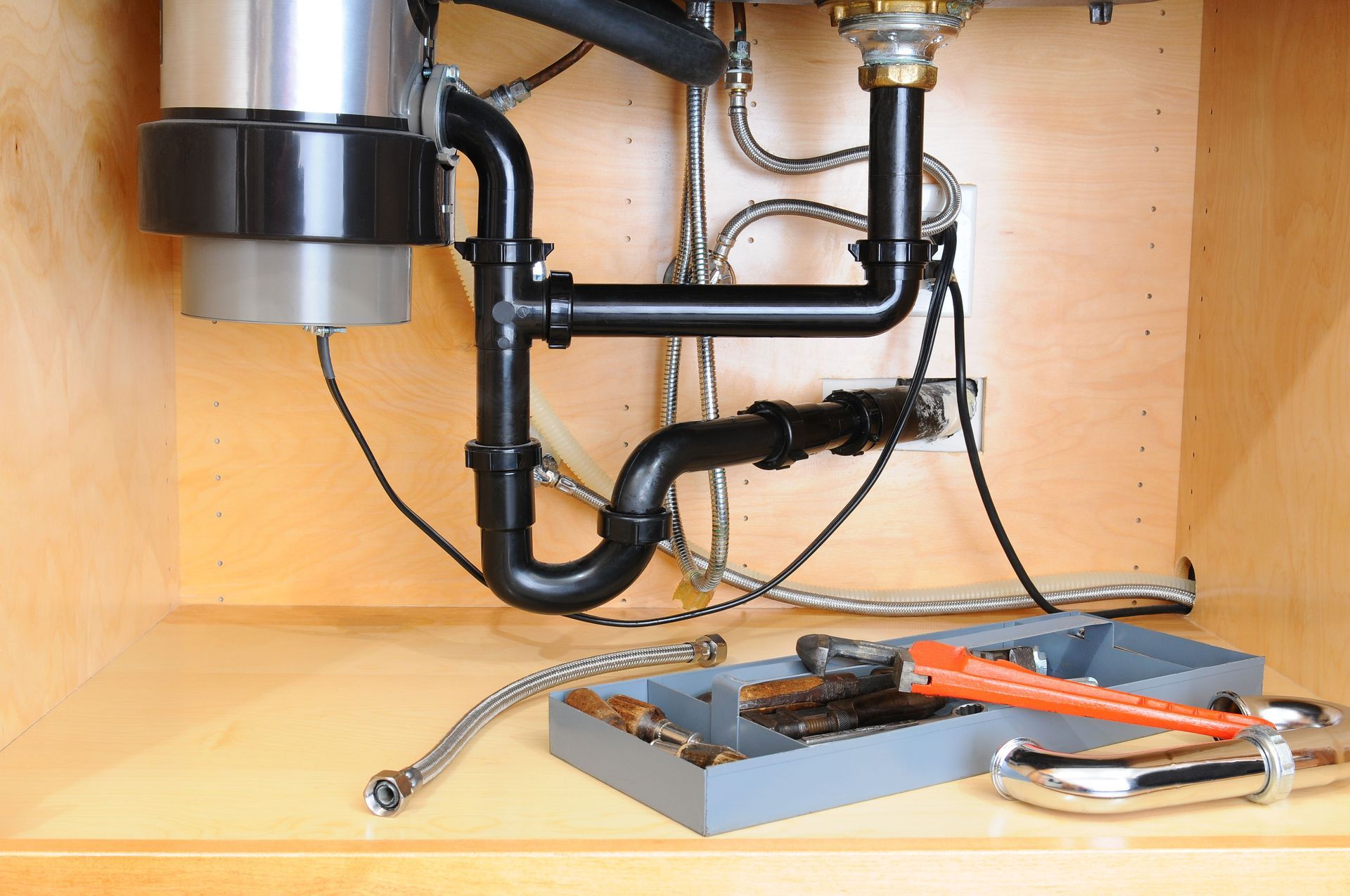
Leaks under the sink often signal garbage disposal or plumbing issues. These leaks can arise from worn-out seals, loose connections, or cracked components. A simple way to identify leaks is to check for dampness around the disposal unit or puddles under the sink. Visual inspections and feeling for moisture around the disposal's base can also help pinpoint the leak's origin. Early detection of disposal-based leaks is crucial for preventing water damage and additional plumbing complications.
Key Components to Check for Leaks
To effectively address leaks, it's vital to inspect key components of the garbage disposal unit. Checking the sink flange, rubber gaskets, and mounting assembly can often reveal the leak's source. Additionally, examining the hose connections and drain lines helps identify potential weak points. Minor issues like worn seals may be easily replaced, while more severe malfunctions could necessitate professional repair. Regular inspection of these components ensures prompt detection and resolution of leaks.
3. Strange Noises
Types of Noises Indicating Garbage Disposal Issues
Unusual noises from garbage disposals often signify underlying issues that require attention. Grinding or rattling sounds typically mean foreign objects, such as cutlery, may have entered the unit. Humming noises could indicate that the blades are jammed, preventing normal operation. Clicking noises can be associated with loose components within the disposal. Identifying the type of noise is the first step towards diagnosing and addressing the problem efficiently.
Common Fixes for Noise-related Problems
Addressing noise-related issues often involves removing obstructive objects or resolving mechanical malfunctions. Tightening any loose internal components can often restore quiet operation. Lubricating parts and ensuring that not too much weight is applied on the unit helps maintain smooth functionality. If grinding noises persist, blade inspection or replacement might be necessary. Employing these fixes restores normal functionality and extends the disposal's lifespan.
How to Ensure a Quiet Garbage Disposal
Ensuring quiet operations involves regular maintenance and mindful usage. Avoid disposing of hard materials like bones, which contribute to unnecessary stress on the blades. Periodic inspections and tightening of mechanical components mitigate the risk of rattling sounds. Running the unit with ample water decreases friction, promoting quiet operation. These practices ensure that disposals remain efficient and unobtrusive in a household setting.
When to Consider Replacing vs. Repairing
Knowing when to replace or repair a garbage disposal is a crucial decision for homeowners. Repeated repairs within short intervals or constant noise issues may suggest that replacement is more cost-effective. Scrutinizing the unit's age can also aid in determining its remaining service life. For units over a decade old with frequent malfunctions, investing in a new model may be more economical long-term. Balancing repair costs with potential future savings guides informed decision-making.
4. Overheating and Shutdowns
Why Garbage Disposals Overheat
Garbage disposals overheat primarily due to electrical or mechanical issues, resulting in shutdowns. Frequent overuse, along with power surges, may catalyze overheating. When disposals struggle with heavy loads, the motor strain elevates temperatures beyond normal limits. Inadequate ventilation can also trap heat, exacerbating the problem. Understanding these causes helps prevent shutdowns and maintain uninterrupted kitchen operations.
Importance of Regular Cleaning and Maintenance
Routine cleaning is vital for maintaining optimal disposal functionality and preventing overheating. Cleaning the disposal with a mild detergent and water reduces buildup that hinders efficiency. Regular blade sharpening and lubrication support seamless grinding, lowering operational strain. Performing maintenance checks, such as inspecting connection integrity, ensures fewer interruptions. Prioritizing cleaning and maintenance translates into prolonged disposal life and reduced repair needs.
Professional Repair Options
Professional repair services offer comprehensive troubleshooting and solutions for persistent overheating issues. Skilled technicians can diagnose less obvious electrical or mechanical faults requiring specialized intervention. They offer cost assessments and practical advice on repairs versus replacements. Hiring professionals guarantees warranty-backed repairs, offering peace of mind for lasting solutions. When faced with complex problems, professional repair options ensure sustained disposal operation.
5. Unpleasant Odors
Common Sources of Odors in Garbage Disposal Units
One of the most common complaints about garbage disposals is unpleasant odors emanating from decaying waste. Accumulated food particles within the disposal can rot, releasing offensive smells. Gunk buildup on the disposal's impellers traps particles, contributing to persistent odors. Insoluble debris can also cling to the unit's interior, fermenting and worsening the odor problem. Identifying these sources is key to addressing and eliminating odorous issues effectively.
When Odors Indicate More Serious Issues
Persistent, stubborn odors can be indicators of more severe disposal or plumbing issues. Cracked disposal units or deteriorating components may harbor bacteria-laden debris that can't be removed by typical cleaning methods. Unusual or particularly foul odors can signify plumbing connection issues beyond the disposal unit. Checking for blockages or backing up beyond the unit often reveals additional septic issues. In such cases, professional evaluation can uncover and resolve underlying causes effectively.
6. Ineffective Grinding
Causes of Ineffective Grinding in Garbage Disposals
Ineffective grinding is commonly due to dull blades, improper usage, and incorrect food waste disposal. As blades dull over time, the once fine grinding becomes inefficient, leaving larger waste particles behind. Disposing of non-organic materials contributes to blade damage, reducing grinding performance. Overfilling the disposal unit burdens the motor, exacerbating inefficiency.
Routine Maintenance to Enhance Performance
Routine maintenance is essential for sustaining disposal efficiency and extending operational lifespan. Periodically running the disposal with ice and salt helps sharpen blades naturally. Regular internal inspections ensure that blades and components remain in peak condition. Adhering to manufacturer cleaning guidelines optimizes both current and future performance. Implementing these practices consistently minimizes disruption and maintains seamless kitchen functionality.
Effective garbage disposal repair not only resolves a host of plumbing issues but also extends the life of your kitchen plumbing system. As a vital component in maintaining a clean and efficient home environment, garbage disposals require attention and care. If you're looking for expert plumbing services that include garbage disposal repair, reach out to Beno Plumbing today!