In this article, we will explore effective water heater maintenance tips that can significantly extend the lifespan of your system. Regular maintenance is crucial not only for the longevity of the water heater but also for ensuring that it operates efficiently and safely. Whether you have a traditional tank water heater or a modern on-demand model, these tips will help you keep your system running smoothly. By understanding local water heater repairs, homeowners can prevent unnecessary repairs and extend the service life of their water heaters. With proper care, your water heater can provide reliable hot water and contribute to overall energy efficiency in your home.
1. Regular Inspection and Maintenance Schedule
Establishing a routine for regular inspection and local water heater repairs is crucial for prolonging the lifespan of your water heater. Consistency in maintenance can help identify potential issues before they become major problems. By setting specific intervals for checks, homeowners can ensure that all components are functioning as they should. These inspections are invaluable for detecting early signs of wear and tear. This proactive approach can save both time and money in the long run.
Performing seasonal checks is an effective way to maintain your water heater's efficiency. During colder months, water heaters tend to work harder, particularly if they are located in chilly environments. Checking the system as seasons change can help adjust usage patterns and identify seasonal variations in performance. It is beneficial to make necessary adjustments to settings or replace insulation to conserve energy. Such practices can help maintain optimal performance throughout the year.
2. Flushing Your Water Heater
Sediment buildup in water heaters can significantly affect their efficiency. This accumulation usually settles at the bottom of the tank, leading to uneven heating and increased energy consumption. Regular flushing of the water heater can help remove these deposits and enhance the system's efficiency. Flushing also contributes to extending the lifespan of the water heater by preventing corrosion and rusting. Diligence in maintaining a sediment-free environment within the tank ensures that the water heater operates smoothly.
Performing a step-by-step flushing routine is essential for maintaining the system. To do this, you must first turn off the power supply and allow the water to cool. Next, attach a hose to the drain valve and lead the water to a suitable drainage area. Open the valve and let the water run until it is clear and sediment-free. After flushing, close the valve and restore the system to its operational settings, ensuring everything is secure and functioning correctly.
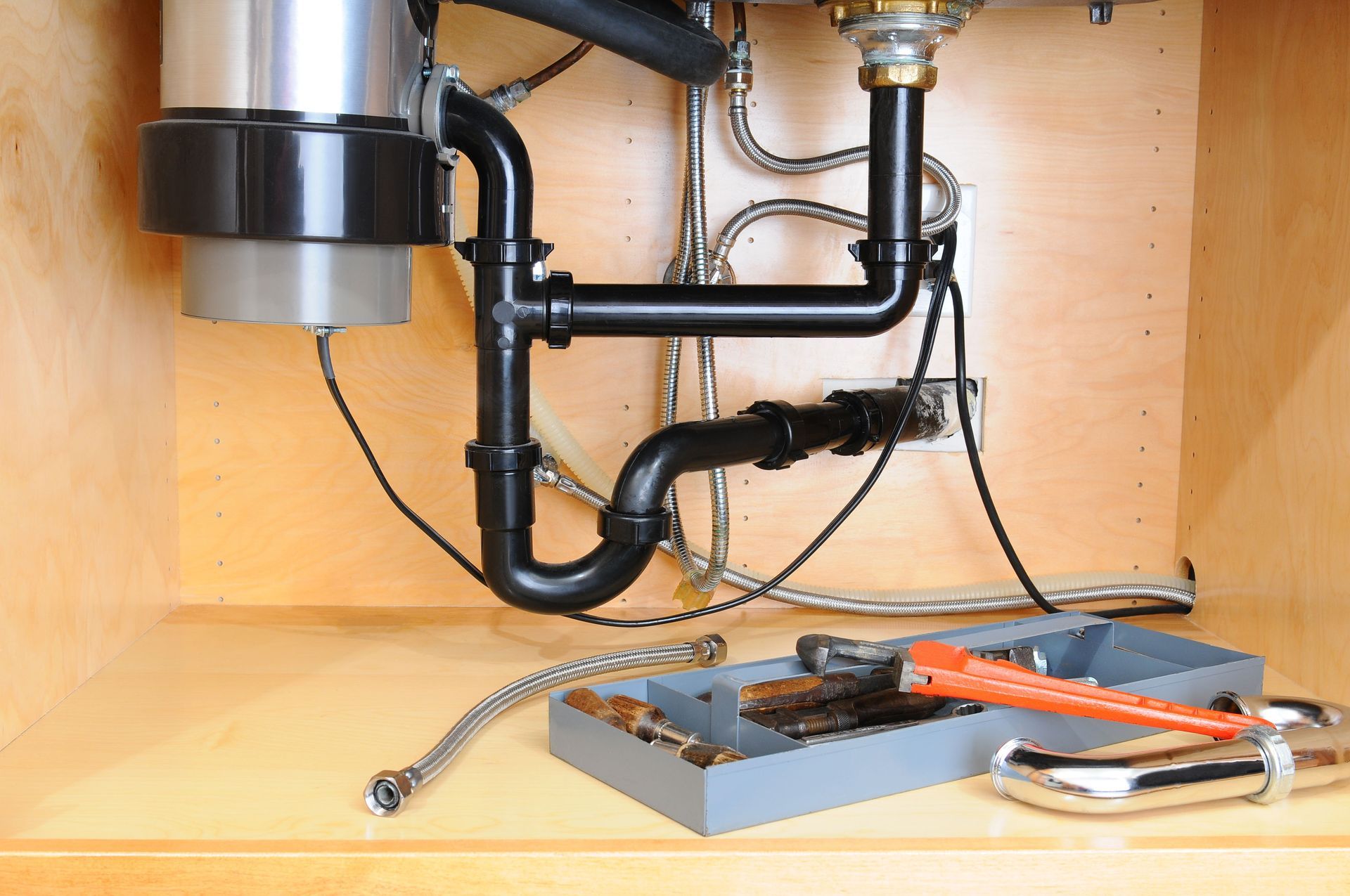
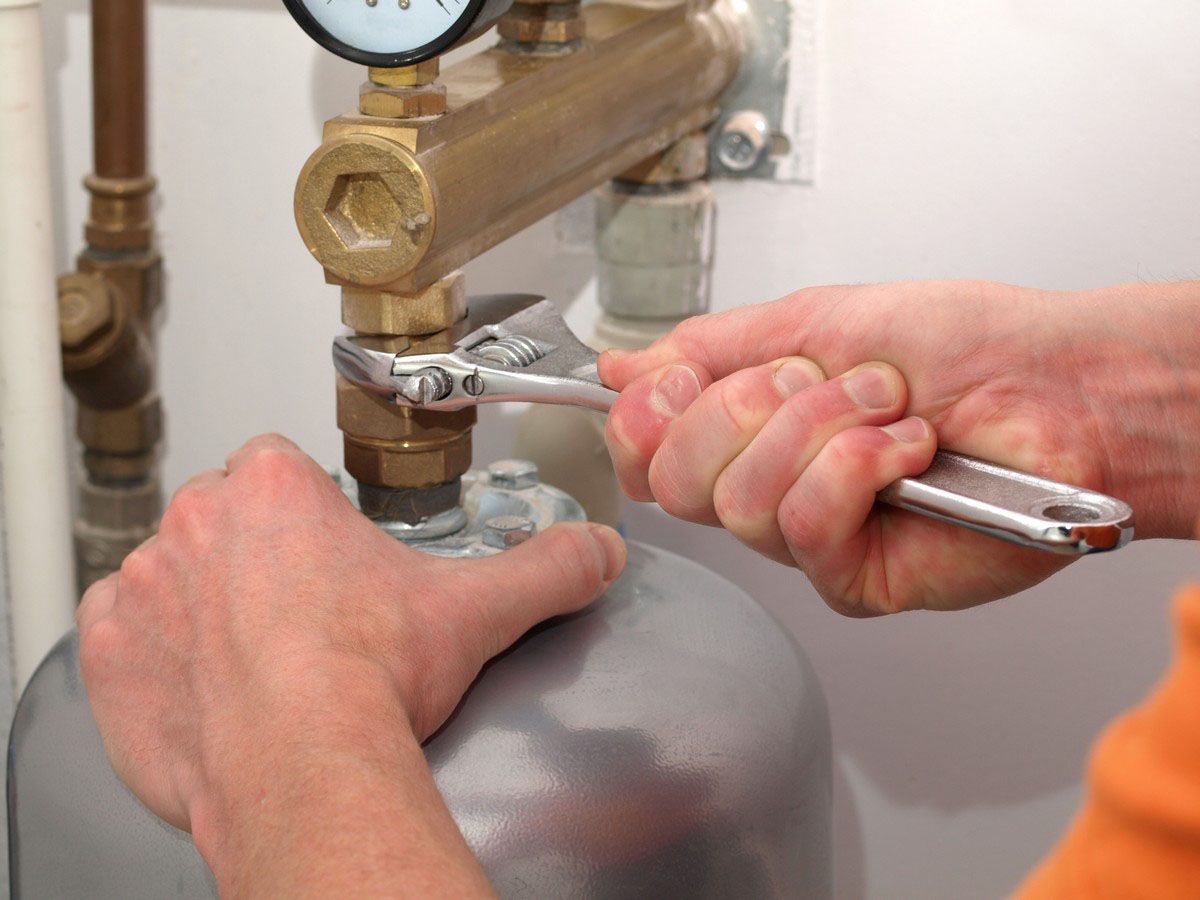
Having the right tools on hand is crucial for the flushing process. A sturdy hose, a wrench for loosening the drain valve, and protective gloves are some basic requirements. The procedure is relatively straightforward, but it is important to follow safety precautions. In our experience, homeowners should flush tank water heaters every six to twelve months for optimal performance. Flushing tankless systems will also require consideration, even though sediment buildup is less common in these models due to their design.
3. Checking the Anode Rod
The anode rod plays a critical role in preventing corrosion during local water heater repairs. Its primary function is to attract corrosive elements, thereby protecting the tank's metal from rusting. Checking the condition of the anode rod is an essential part of water heater maintenance. If the anode rod becomes severely corroded, it loses its protective qualities, compromising the system's integrity. Regular checks can help ensure the anode rod is still effective and can be replaced when necessary.
Identifying signs of anode rod corrosion is fundamental to maintaining your water heater. Usually, the rod will diminish in thickness and may appear heavily corroded when assessed during routine checks. Homeowners should pay attention to these signs to know when it’s time for local water heater repairs. Neglecting to replace a worn anode rod can lead to major tank corrosion. We've found that anode rods need to be replaced every three to five years, depending on water quality and usage levels.
When replacing the anode rod, homeowners may choose from several material options, including magnesium, aluminum, and zinc. Each of these materials offers different levels of protection and performance. Magnesium rods are highly effective in soft water environments, while aluminum rods are better suited for areas with hard water. Zinc rods, which are usually a combination of aluminum and zinc, tend to reduce sulfur smells. Making an informed choice about the material will ensure the rod provides optimal protection for your system.
4. Temperature Settings and Controls
Maintaining the correct temperature setting is vital for the efficiency of a water heater. The correct temperature ensures a sufficient hot water supply while minimizing the risk of energy waste and burns. Regularly checking and adjusting the thermostat can help keep energy consumption under control. This practice not only conserves energy but also extends the lifespan of the heating components.
The impact of temperature on energy consumption is significant. An increase in temperature necessitates additional power to maintain the higher heat level, leading to higher energy bills. According to Portland.gov, the typical lifespan of a tankless heater is 20 years, but maintaining an appropriate temperature can help reach this potential. Homeowners should strike a balance between comfort and energy efficiency. Understanding the connection between temperature settings and energy costs provides a clearer picture of how to save money with local water heater repairs.
Adjusting the thermostat is a potential troubleshooting task when there are temperature fluctuations. Having an accurate and responsive thermostat helps ensure a reliable hot water supply. In instances of persistent temperature variations, checking for thermostat malfunctions should be a priority. Troubleshooting may also include installing a mixing valve, which provides greater control over temperature consistency. It is important to address any thermostat issues promptly to avoid disruptions in hot water availability.
5. Insulating the Water Heater and Pipes
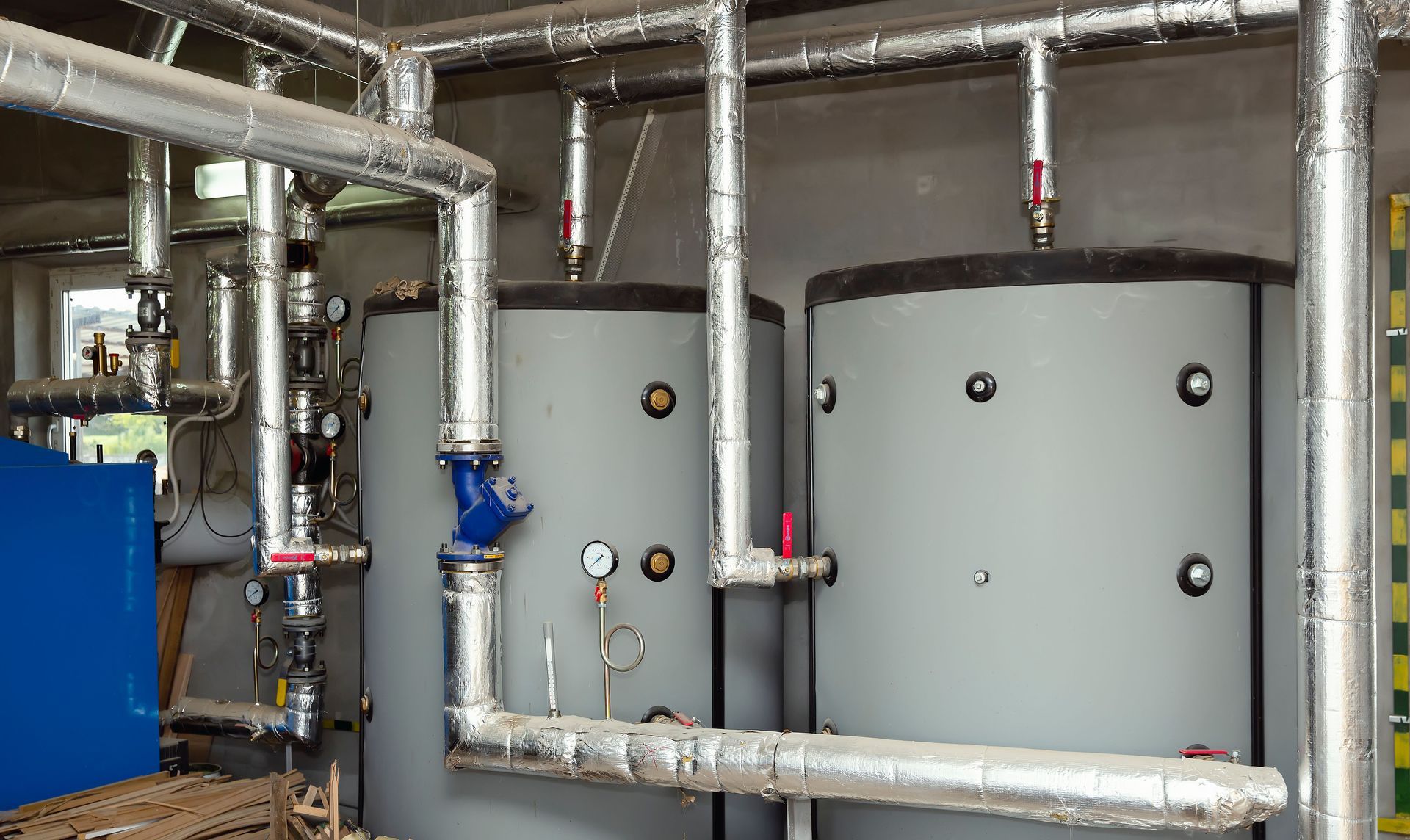
Insulating the water heater and its companion pipes can bring about multiple benefits. Firstly, it reduces heat loss, which results in improved efficiency and lower energy costs. Insulation also helps maintain water temperature for a longer duration. This practice can protect the heating system and extend its lifespan, making local water heater repairs less frequent. Furthermore, during colder months, insulation prevents pipes from freezing, ensuring a steady supply of hot water.
There are various types of insulation materials available for water heaters and pipes. The most common materials include fiberglass, foam, and insulating blankets. Each type has distinct advantages and can be chosen based on specific requirements and budget. Fiberglass is widely used due to its effective thermal resistance properties. Foam sleeves, on the other hand, are easy to install and ideal for pipe insulation.
Regular maintenance of your water heater is essential for prolonging its lifespan and ensuring efficient operation. By following these maintenance tips, you can minimize unexpected breakdowns and enjoy a consistent hot water supply. A well-maintained water heater not only improves performance but also saves on energy costs, providing peace of mind for homeowners. Committing to a comprehensive maintenance routine will contribute to the reliable functioning of your water heating system. Taking these proactive steps signifies a wise investment in the longevity and efficiency of your home's essential appliances. Be sure to reach out to Beno Plumbing to learn more about our local water heater repairs!