Water heaters are essential appliances in any household, providing hot water for daily activities like bathing, cleaning, and cooking. Proper maintenance of these units ensures they operate efficiently and last longer, leading to savings on energy bills and replacement costs. One crucial maintenance task is flushing, which involves draining the heater to remove sediment build-up inside the tank. Flushing is often overlooked, yet it plays a pivotal role in maintaining the unit's optimal performance. It removes sediments and debris that accumulate over time, potentially causing significant issues that might eventually require water heater repair. By understanding this maintenance activity, homeowners can ensure their water heaters function smoothly. This article will explore the mechanics of water heaters, the importance of flushing, and detailed guidance on performing this essential maintenance task. We will also cover additional maintenance tips to maximize your water heater's lifespan and efficiency, seamlessly guiding you into the core mechanics of how your system operates.
Understanding the Mechanism of a Water Heater
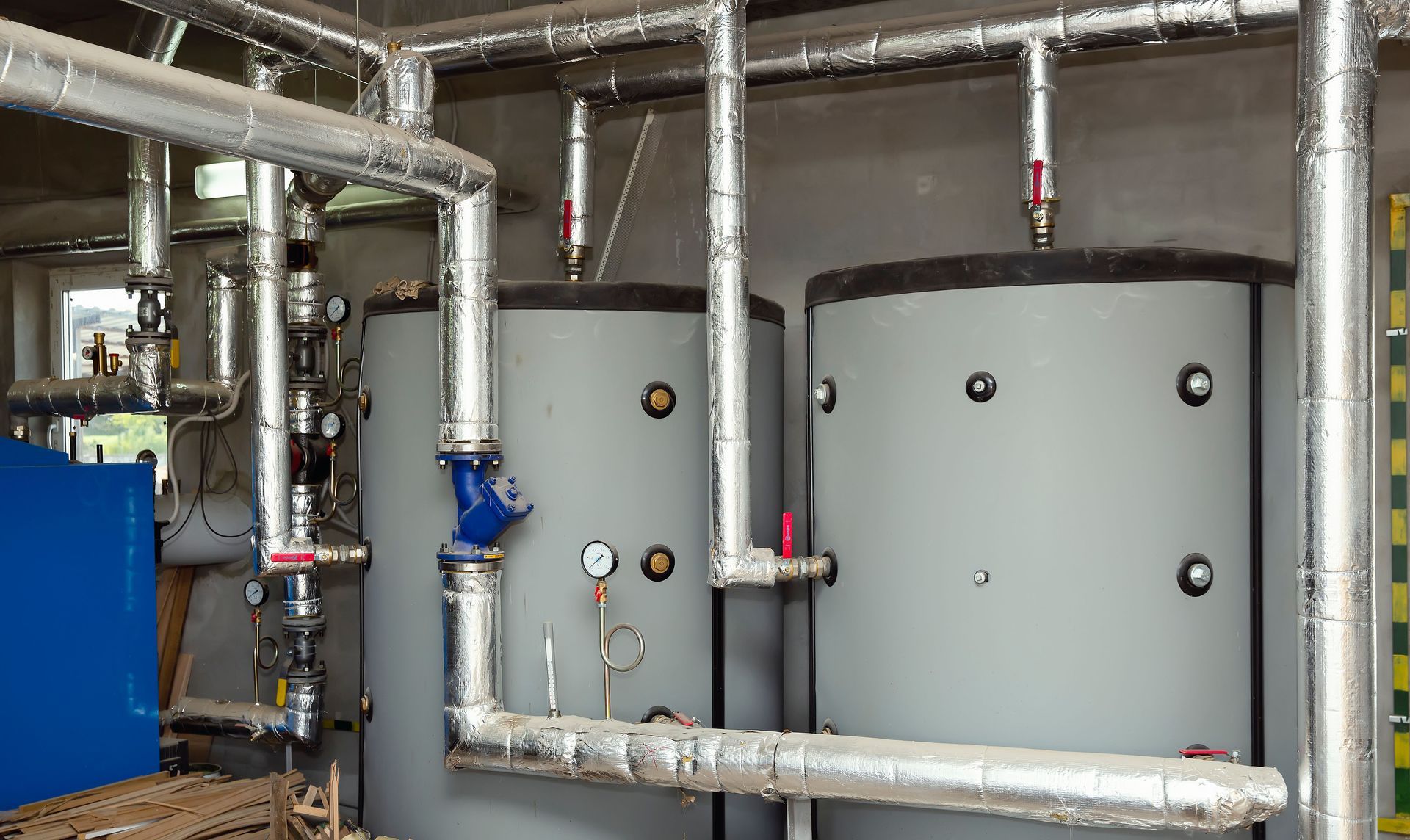
Water heaters work by heating cold water and distributing it through household plumbing. They typically use energy sources like gas or electricity to heat water stored in a tank or circulated through heat-exchange pipes. As the cold water fills the tank, it is heated by a burner or an electric heating element positioned at the bottom. The heated water rises to the top, ready for household use whenever needed. This thermodynamic process operates efficiently, maintaining a balance between energy consumption and hot water availability. However, the mechanism's efficiency can be compromised by factors such as sediment build-up, poor water quality, or failing components. Regular maintenance, like flushing the tank, helps mitigate these issues, ensuring the heating process remains efficient and preventing the sudden need for water heater repair. Keeping the system free of obstructions enhances its operation, reducing unnecessary energy use and keeping your hot water supply consistent.
Addressing the Significance of Water Quality
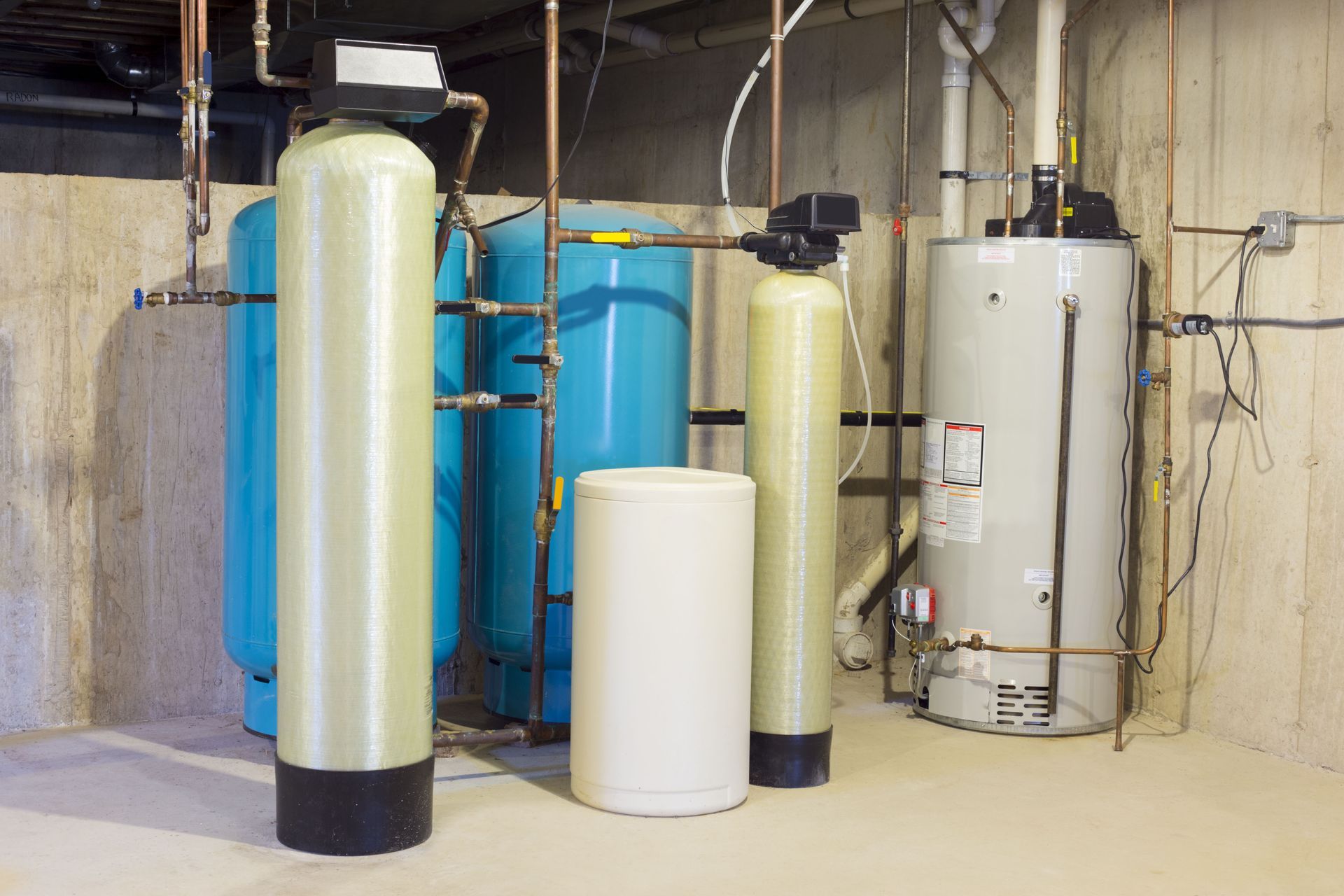
Water quality directly affects the performance and longevity of a water heater. Hard water, high in mineral content, contributes to sediment formation and scaling inside the tank and heating elements. This accumulation can reduce the heater's efficiency, requiring more energy to produce the same amount of hot water. Sediments create a barrier between heating elements and water, slowing heat transfer and increasing energy consumption. This phenomenon leads to increased utility bills and potentially costly situations requiring water heater repair or premature replacements. Regular water testing and installation of a reverse osmosis water softener or filters can help mitigate these issues, allowing heaters to function more efficiently. By monitoring water quality, homeowners can take proactive steps to protect their appliances. Maintaining a balance between water purity and heater operation prolongs both the appliance's life and optimal performance.
Preventing Sediment Build-Up With Regular Flushing
Flushing a water heater is the most effective way to remove accumulated sediments at the tank's base. This practice involves draining the heater and refilling it, dislodging any settled particles within the tank. By carrying out this procedure, homeowners can maintain the heater's efficiency and reduce wear on internal components. Without routine flushing, sediments can compromise heating elements, leading to inefficient operation and potential failures. Routine maintenance ensures sediment levels remain manageable, lowering the risks of costly replacements. According to The Home Depot, completing the drainage of a water heater will take between 20 and 25 minutes total. This brief maintenance process can significantly impact the system's overall performance. Regular flushing avoids harmful sediment accumulation, ensuring optimal water heating and energy efficiency. It also prevents the need for an untimely water heater repair by keeping internal parts pristine.
Improving Energy Efficiency for Your Home
Cleaning out the sediment from a water heater's tank improves its energy efficiency. When sediments cover heating elements, they hinder heat transfer, forcing the system to expend more energy for the same outcome. This inefficiency translates into higher energy consumption, adding to the household energy bills unnecessarily. By performing regular flushing, you remove this insulating barrier, allowing the heating elements to work without obstruction. This results in faster heating cycles, reducing the energy required to deliver hot water. Eventually, this translates into substantial savings on energy bills while maintaining comfort within the home. Effective heat transfer also extends the life of heating elements, preventing burnout caused by overworking due to sediment insulation. The decreased energy use makes it a win-win situation, saving money while promoting sustainability and avoiding emergency residential plumbing issues that often include complex water heater repair.
Recognizing Indicators That Flushing Is Needed
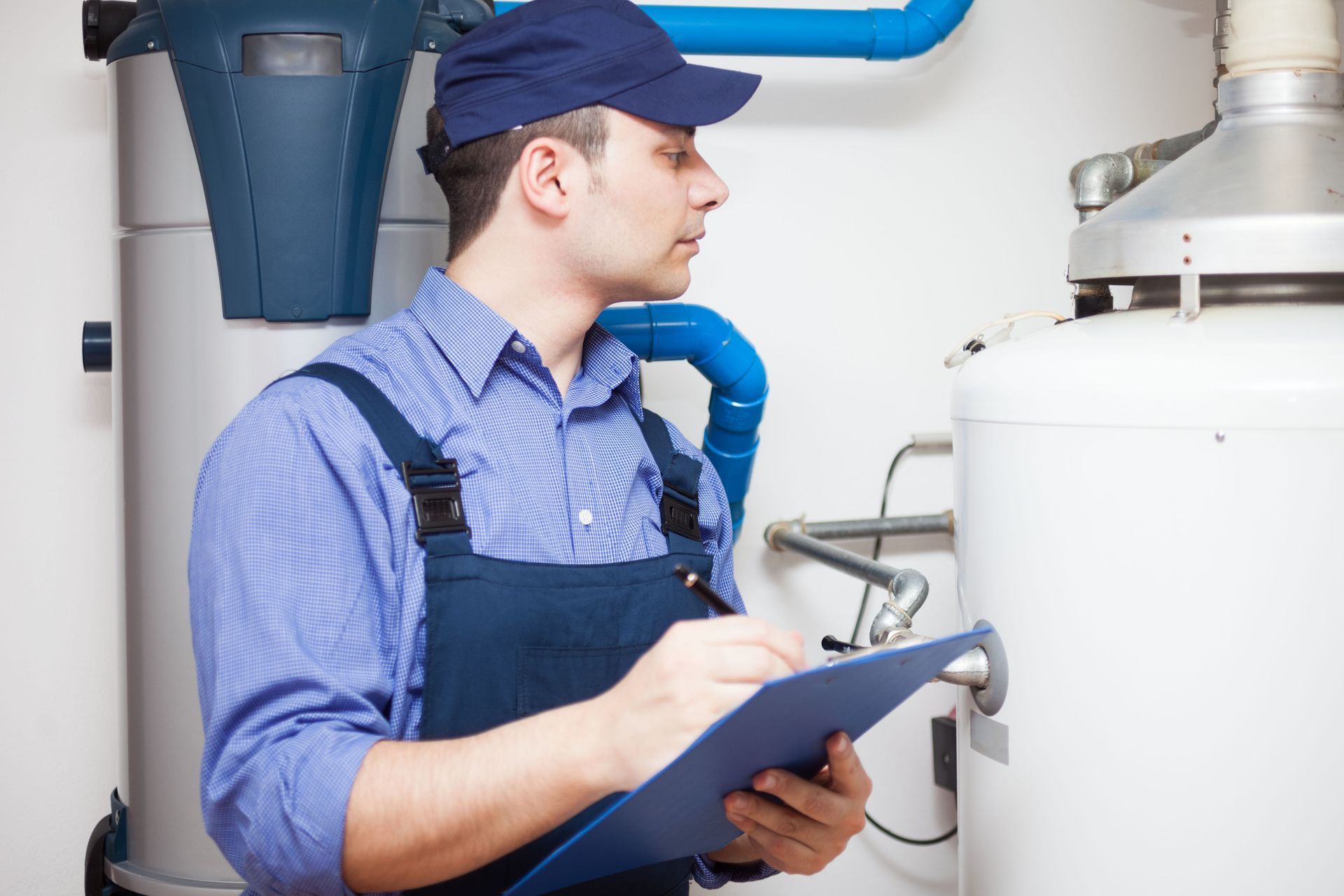
Certain indicators can signal when it is time to flush your water heater. If you notice a decrease in hot water supply, it might be due to sediment interfering with heating elements. Another sign could be rumbling or popping noises during operation, indicating sediment buildup and boiling within the tank. Water quality decline, such as cloudy, rusty water or an unusual odor, also suggests sediment problems. Rising energy bills accompany these symptoms due to the system overworking to counterbalance the inefficiencies. Regular checks and awareness of these signs help determine the need for immediate maintenance. Ignoring these signals and delaying flushing can exacerbate issues, leading to overheating or element failure that warrants professional water heater repair. Early detection ensures timely intervention, saving money on future services and preserving energy efficiency. By addressing these red flags promptly, homeowners can sustain the performance and reliability of their appliances effectively.
Determining How Often You Should Flush Your Unit
Most manufacturers recommend flushing water heaters annually to prevent sediment buildup and maintain efficiency. This frequency is advised based on average conditions, balancing regular maintenance with optimal performance. Checking the manual specific to your model can provide tailored guidance regarding maintenance intervals and procedures. While manufacturers provide a general guideline, usage patterns and water quality can influence the decision to flush more frequently. Homes with high daily hot water usage or harder water conditions may need bi-annual or quarterly flushes. Specific manufacturer recommendations, combined with observational insight, offer a balanced maintenance schedule. Overlooking manufacturer guidelines may void warranties, as adherence to suggested maintenance practices often underpins these protections. Following these instructions ensures peak operational conditions, maximizing efficiency and service life while minimizing the need for emergency water heater repair. Harmonizing water quality considerations with flushing schedules fosters lasting system reliability at home.
Executing the Flushing Process Correctly
Begin flushing by turning off the water source and cutting off the incoming supply to avoid continuous water inflow during the process. Connect a standard garden hose to the drain valve, positioning the outlet securely in an appropriate drainage area or a large bucket. Open the drain valve and remove the tank's sediment-filled water from the heater. Once drained, close the drain valve, open the cold water inlet, and fill the tank partially to dislodge remaining sediments. Let this mix sit briefly, then drain again until the exiting water runs clear, indicating proper sediment removal. Finally, disconnect the hose, close the valves, and restore the water supply, refilling the tank while inspecting for leaks or signs of damage. Reactivate the power supply only after confirming the tank is full to avoid damage to heating elements.
Post-flushing care is critical to reinforce the effects of cleaning and strengthen the unit's operational reliability. Check for leaks around the drain valve or hose connection points following system reactivation. Inspect and replace worn or damaged anode rods, which protect against internal tank corrosion. Verify the thermostat settings after flushing, ensuring the temperature is set to optimal levels for both efficiency and safety. If scaling or mineral buildup persists, even post-flushing, consider installing water softeners to complement maintenance efforts. This preventive action reduces future sediment risks by minimizing mineral entry into your water system. If you notice persistent issues, you might need an expert water heater repair. At Beno Plumbing, we know how important a reliable hot water supply is for your home. We offer comprehensive options like water heater installation and fixture repair to meet your needs. If you need professional assistance, contact us for expert care.