September 17, 2026
By Matt Beno | September 17, 2026
Rusty water coming from your heater is a warning sign that should never be ignored. This seemingly minor issue can quickly snowball into significant problems if left unchecked. Whether it is indicating corrosion inside the tank or affecting your overall plumbing system, addressing this issue swiftly is crucial. Ignoring the problem can lead to health risks, damage to home appliances, and costly repairs. Understanding why rusty water occurs and taking immediate action can prevent these repercussions and ensure safe and efficient home maintenance. A reliable supply of clean hot water is essential for daily household activities, from bathing to cleaning. When that water runs brown or reddish, it disrupts your routine and signals an underlying deterioration that requires immediate attention. Delaying the necessary investigation can turn a simple fix into a catastrophic failure. Many homeowners hope the discoloration will simply flush itself out over time, but this is rarely the case. Instead, the rust continues to accumulate, weakening the internal structure of your system. You might find yourself needing extensive water heater repairs if you neglect the early warning signs. A proactive approach is always the best defense against plumbing disasters.
Understanding the Causes of Rusty Water
The primary culprit behind rusty water is usually the degradation of the metal components inside your heating unit. Over time, constant exposure to moisture and heat causes the tank lining to slowly deteriorate. The inner lining is designed to withstand harsh conditions, but it is not invincible. Eventually, the protective layers break down, allowing the bare metal to interact directly with the moisture. This interaction creates oxidation, which we commonly know as rust. As the rust flakes off the inside of the tank, it mixes with your hot water supply and flows through your pipes. The anode rod, a crucial component designed to attract corrosive elements away from the tank walls, can also become completely depleted. When this sacrificial rod can no longer do its job, the tank itself begins to corrode rapidly. Regular monitoring of this rod is a vital part of preventative maintenance. Neglecting this crucial step often leads to the need for sudden water heater repairs. Once rust takes hold, it spreads relentlessly, compromising the structural integrity of the entire unit. You may even notice a metallic taste or strange odor accompanying the discoloration, which further confirms the presence of oxidation.
Recognizing the Health Risks of Contamination
Consuming or bathing in contaminated water poses distinct risks to your well-being. While trace amounts of iron are not typically hazardous, a heavy concentration of rust can cause skin irritation and discomfort. Individuals with sensitive skin or underlying dermatological conditions may experience severe flare-ups after showering in oxidized water. Furthermore, a heavily corroded tank creates an ideal breeding ground for harmful bacteria. The sediment build-up at the bottom of a rusting tank provides a cozy environment for microorganisms to thrive. If the temperature of the unit drops, these bacteria can multiply exponentially. Using this contaminated supply for washing dishes or preparing food introduces unnecessary pathogens into your household. Keeping your hot water supply pristine is essential for maintaining a sanitary living environment. Ensuring your system operates cleanly often helps you avoid complicated water heater repairs while simultaneously protecting your family. The thought of washing clothes or bathing in dirty water is unpleasant enough, but the unseen microscopic threats make it an urgent issue to resolve. Cleanliness and hygiene rely heavily on a dependable, pure water source. Any compromise in this supply directly impacts your daily comfort and overall health.
Protecting Your Plumbing From Extensive Damage
The rust originating in your heating tank does not simply stay there; it travels throughout your entire plumbing infrastructure. As the rusty water flows through your pipes, the abrasive iron particles can scrape and damage the interior surfaces. Over an extended period, this continuous friction wears down pipe walls, increasing the likelihood of hidden leaks behind your walls or under your floors. The sediment can also accumulate in pipe bends and narrow passageways, restricting water flow and causing severe drops in water pressure. Low pressure makes simple tasks like rinsing dishes or taking a shower incredibly frustrating. Additionally, the fine particles of rust can clog the intricate valves and aerators in your faucets and showerheads. These clogs are notoriously difficult to clear and often require complete replacement of the affected fixtures. Addressing the source of the rust early on prevents these cascading plumbing failures. Timely intervention and necessary water heater repairs save you from having to repipe your entire home. The appliances connected to your hot water line, such as your washing machine and dishwasher, are also vulnerable. Rust particles can ruin their internal mechanisms, leading to premature appliance death and expensive replacements.
Maintaining Your System for Optimal Performance
Keeping your unit in peak condition requires a commitment to routine upkeep and regular inspections. Many property owners overlook the importance of scheduled maintenance until a major failure occurs. According to Portland.gov, most manufacturers recommend flushing or maintaining your water heater every 1-3 years. Adhering to this guideline helps remove the sediment and loose rust that settle at the bottom of the tank. This accumulated debris acts as an insulating layer between the heat source and the water, forcing the unit to work much harder to achieve the desired temperature. As the system strains to heat the water, it consumes significantly more energy, resulting in elevated utility bills. The excessive strain also overheats the tank floor, accelerating the deterioration of the metal. By removing this harmful layer of sludge, you restore the system's efficiency and lower your monthly energy costs. Consistent upkeep drastically reduces the chances of needing emergency water heater repairs in the middle of a freezing winter night. Establishing a simple maintenance routine extends the operational lifespan of your unit, allowing you to maximize your investment. A well-maintained system operates quietly, efficiently, and provides an endless supply of crystal-clear hot water.
Identifying the Need for Professional Intervention
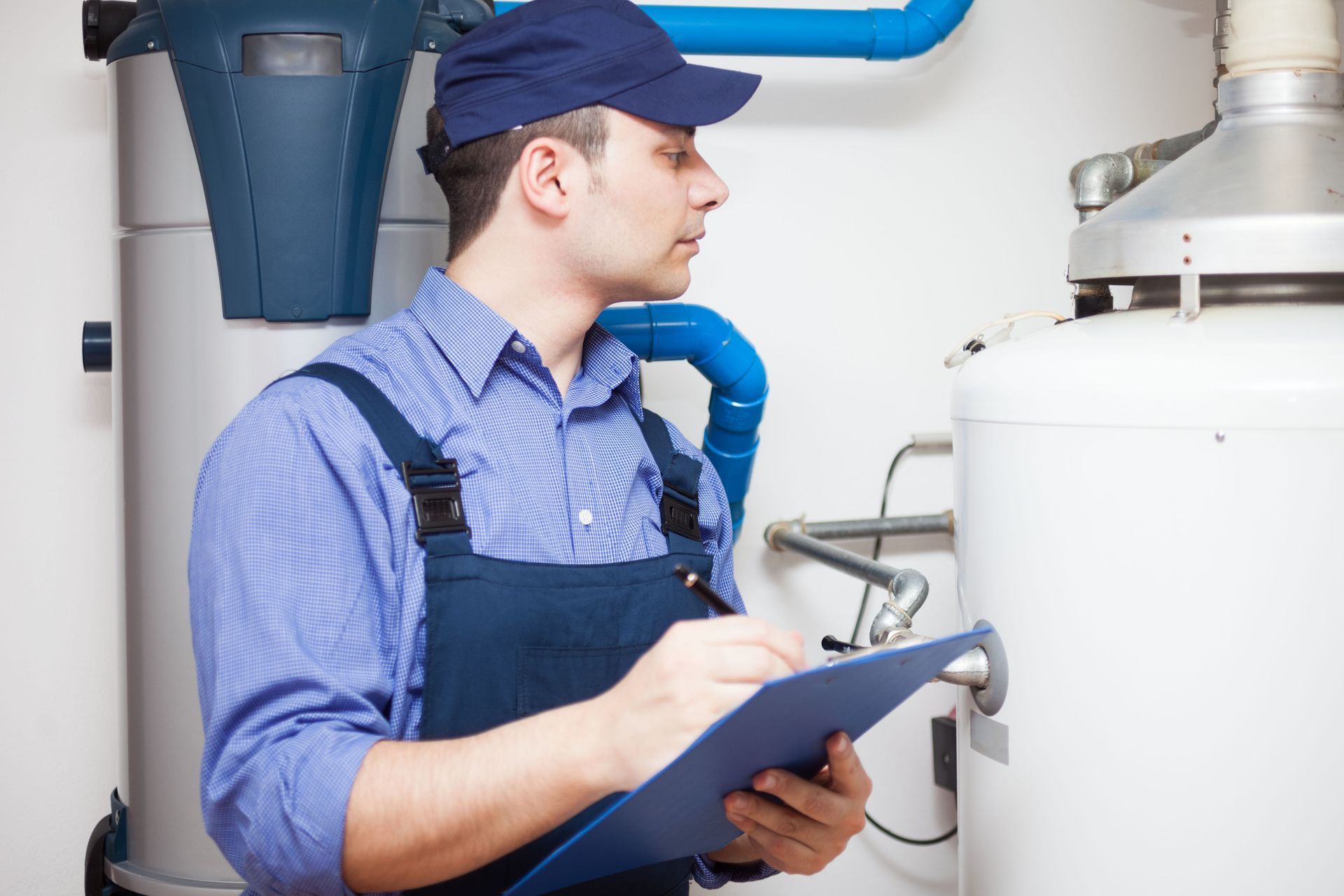
While there are some minor tasks a homeowner can perform, dealing with persistent rust usually requires the expertise of a seasoned technician. Attempting to dismantle a corroded tank without the proper tools and knowledge is dangerous and can cause irreparable damage. A trained specialist has the diagnostic skills to determine whether the rust is coming from the tank itself or from deteriorating galvanized pipes leading into the house. They can safely drain the system, inspect the internal anode rod, and evaluate the overall condition of the tank lining. If the unit is heavily compromised, they can provide an honest assessment of whether a simple fix is possible or if a full replacement is the most cost-effective route. Trusting a professional ensures the job is done correctly and safely, avoiding potential flooding or gas leaks. Relying on expert guidance when scheduling your water heater repairs guarantees a permanent solution rather than a temporary bandage. Professionals also have access to high-quality replacement parts that are not typically available at local hardware stores. Their comprehensive knowledge of different makes and models allows them to tailor their approach to your specific equipment, ensuring optimal results every time.
The sight of discolored water pouring from your fixtures is a clear signal that action must be taken immediately. Ignoring the issue only allows the corrosion to spread, leading to extensive property damage, health concerns, and inflated energy expenses. By understanding the root causes and committing to regular maintenance, you can protect your plumbing infrastructure and ensure a steady supply of clean, safe hot water for your household. Prolonging the life of your equipment and maintaining its efficiency requires a proactive mindset and a willingness to address minor issues before they escalate. Whenever you notice any signs of rust or experience a drop in performance, securing timely water heater repairs is your best course of action to restore normalcy to your home. Taking these necessary steps preserves your comfort and protects your hard-earned financial investments. If you are experiencing plumbing difficulties, call Beno Plumbing today to learn more.