March 20, 2026
By Matt Beno | March 20, 2026
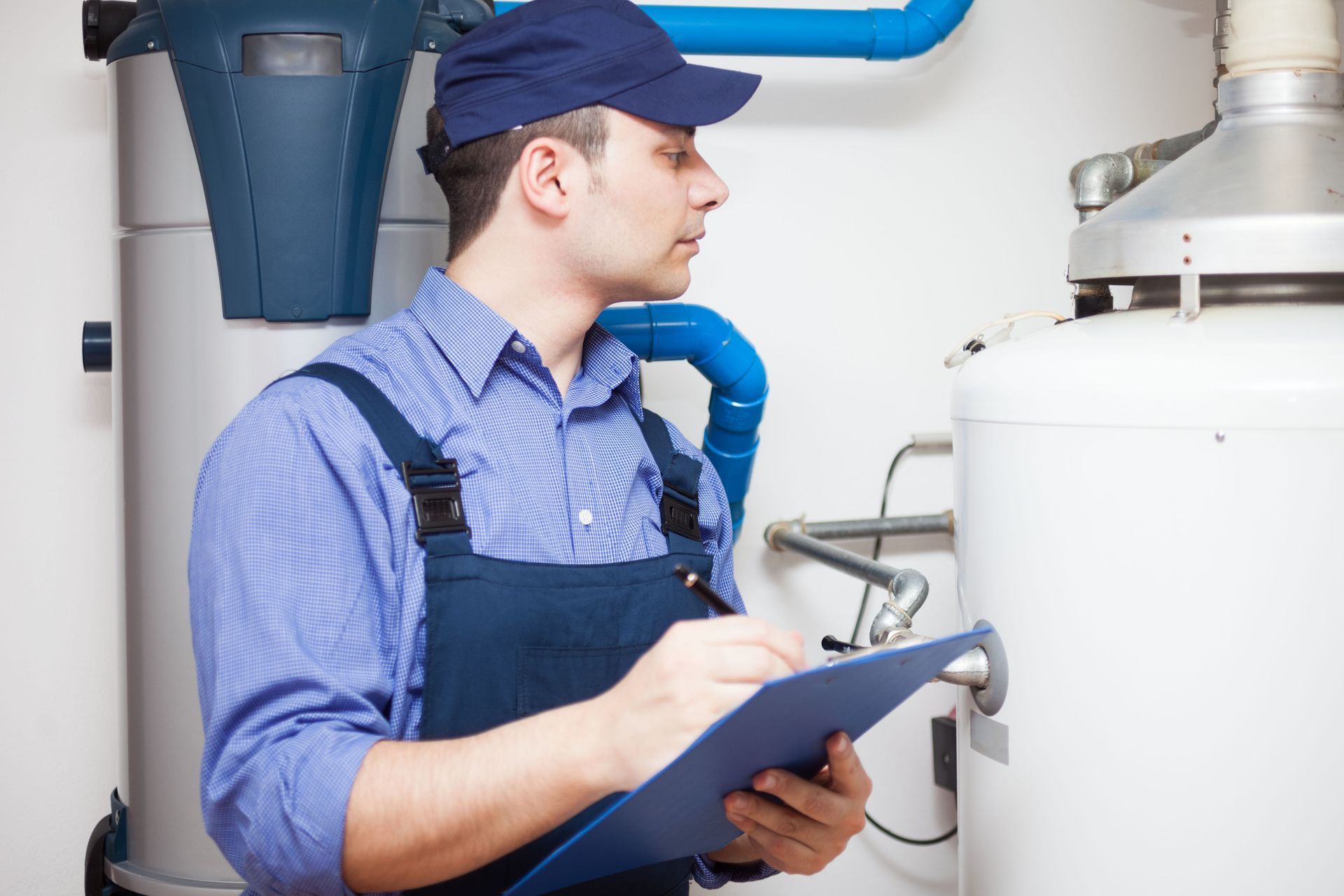
As technology advances, so do the options available to efficiently heat water while conserving energy. We will cover various aspects of upgrading your water heater, how it impacts your utility expenses, water heater repair service, and the benefits you can experience. In today's market, traditional water heating systems are being superseded by more efficient alternatives. Understanding these technological improvements will empower homeowners to make informed decisions about upgrading their water heaters while also recognizing when a water heater repair service may be necessary to maintain older equipment.
Understanding Current Water Heater Technologies
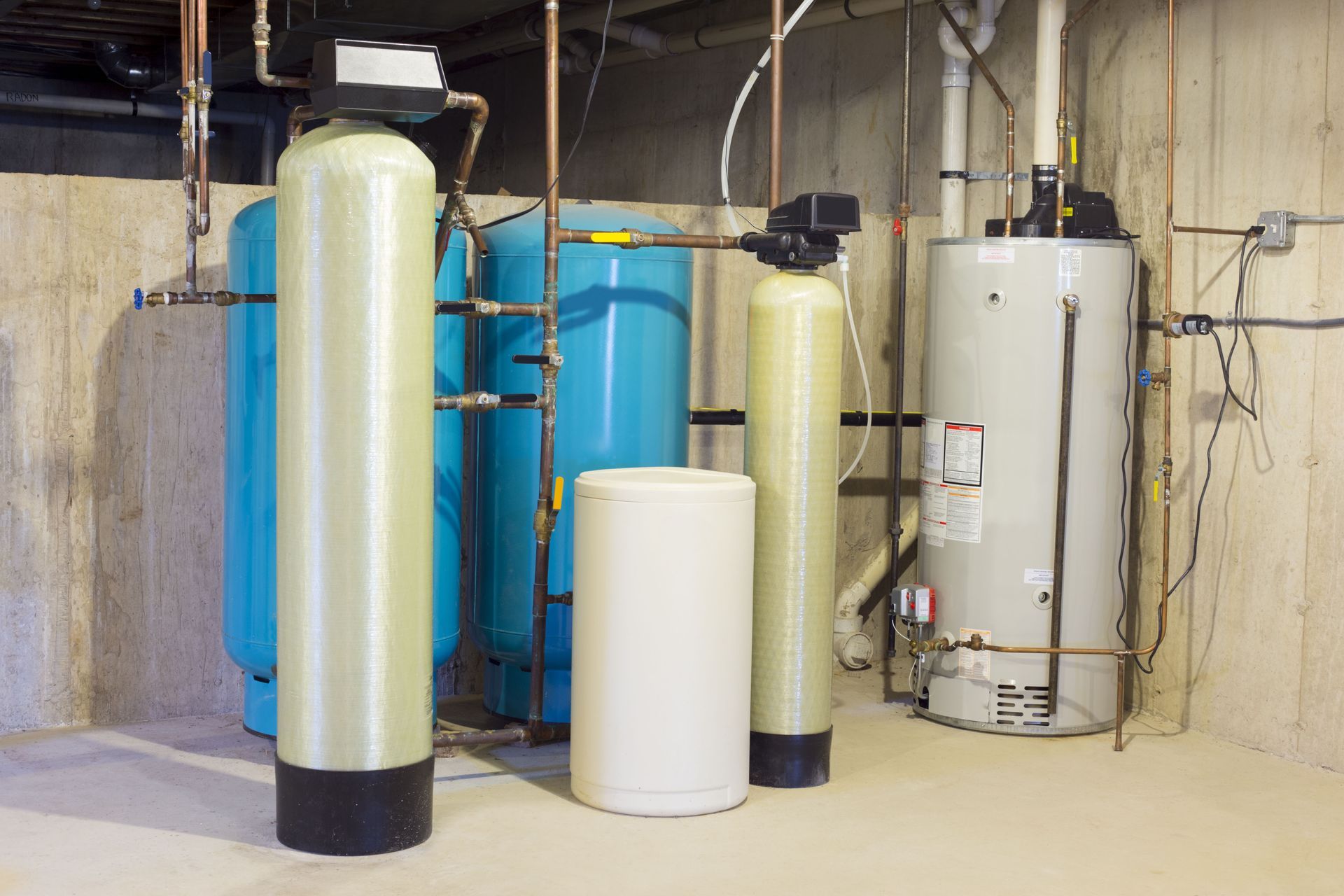
Water heating technology has evolved remarkably over the years, introducing more efficient ways to provide households with hot water while reducing energy consumption. Traditional water heaters, which rely on a large tank to store heated water, are being challenged by more efficient systems like tankless water heaters. According to The American Council for an Energy-Efficient Economy, tankless models deliver 50 to 85 therms of annual energy savings compared to conventional storage water heaters, underscoring their efficiency. Even with these improvements, homeowners with aging systems often rely on a water heater repair service to keep their units functioning until an upgrade becomes necessary.
Tankless water heaters heat water on demand, which eliminates the standby energy losses associated with maintaining a reservoir of hot water. On the other hand, heat pump water heaters are another innovative option that uses electricity to move heat from one place to another instead of generating heat directly. These systems are significantly more energy-efficient, consuming significantly less energy compared to traditional water heaters. Regular maintenance, sometimes provided through a water heater repair service, can also help older systems operate more efficiently while homeowners evaluate newer technologies. Contact Beno Plumbing today to learn more from water heater experts.
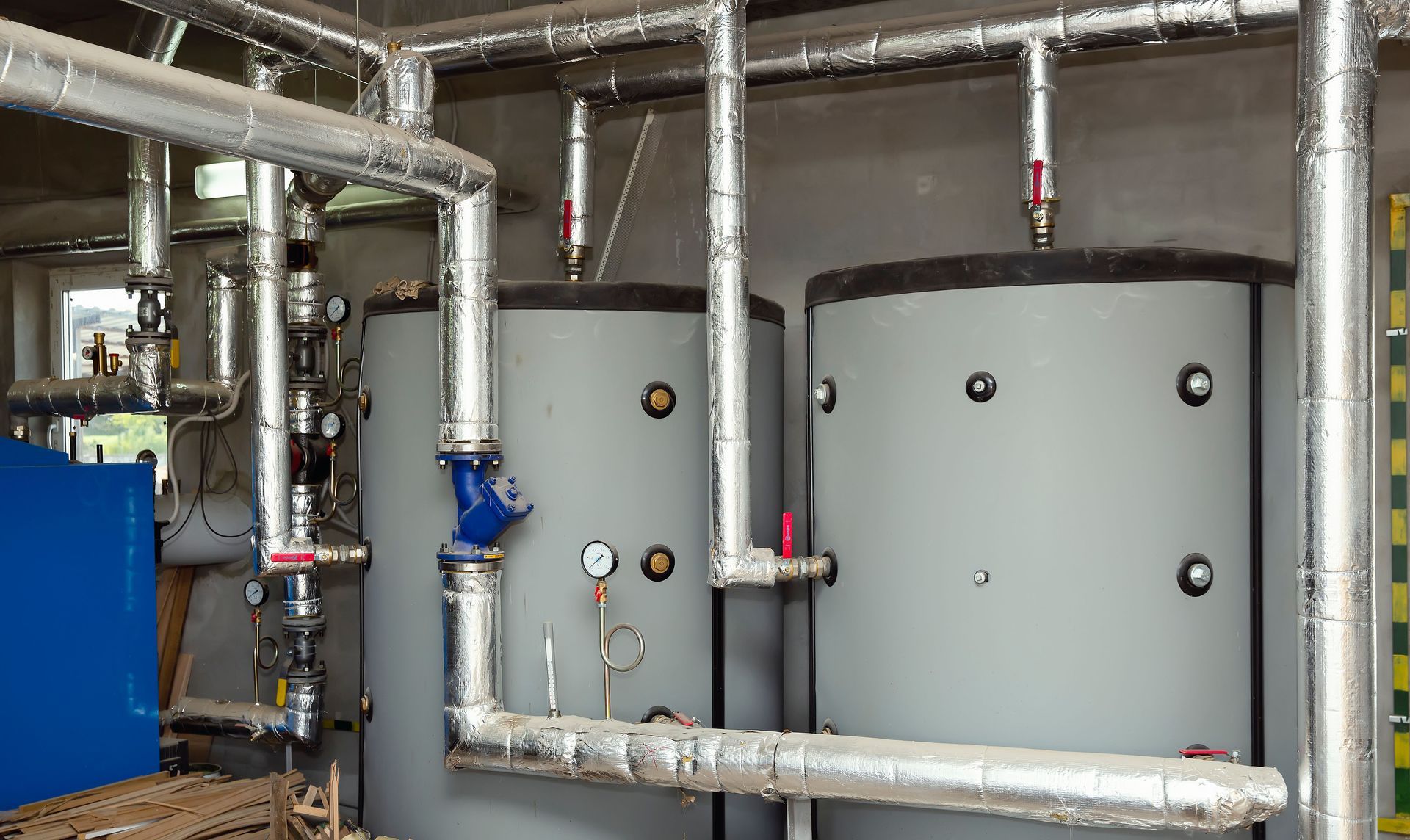
Solar water heaters harness the power of the sun, offering an environmentally friendly solution that drastically reduces reliance on fossil fuels. Moreover, hybrid water heaters combine the benefits of conventional and heat pump technologies to offer efficient water heating with less power consumption. Comparing energy efficiency ratings across these various heater types helps homeowners decide which option best suits their energy-saving goals and budget constraints. During this evaluation process, some homeowners consult a water heater repair service to determine whether repairing an existing unit or upgrading to a new model is the more practical option.
Factors Influencing the Choice of a New Heater
Several factors should be considered when choosing a new water heater, as they can greatly influence the overall cost and efficiency. Initial cost considerations include not only the purchase price but also potential installation costs, which can vary significantly based on the heater type. While traditional heaters may involve lower upfront costs, advanced systems like heat pumps or solar models may offer long-term savings despite higher initial expenses.
Long-term energy savings are crucial in making a cost-effective decision. A high-efficiency model may cost more to buy initially, but the reduced monthly utility bills can offset the additional cost over time. In assessing the best option for savings, homeowners should evaluate their household size and peak hot water demand to ensure the chosen system can meet their needs. In some cases, frequent visits from a water heater repair service can indicate that the current system is no longer operating efficiently and may soon require replacement.
Calculating Potential Savings on Utility Bills
Once the right water heater type is selected, understanding the potential savings on utility bills becomes a key focus. Analyzing energy usage data allows homeowners to project how much their bills will decrease post-upgrade. This analysis includes comparing the energy consumption of the current system to that of the prospective new system, factoring in efficiency ratings and technological advancements.
Understanding the cost per unit of energy also informs prospective savings, providing a clearer picture of potential monthly reductions. For instance, switching from an energy-intensive traditional water heater to a more efficient model could yield significant savings, particularly if energy costs are high in your area. Additionally, the role of Energy Star ratings becomes crucial, as these certified appliances are designed to use less energy and deliver cost savings compared to non-certified models. Reduced reliance on a water heater repair service for aging equipment can also contribute to long-term financial benefits.
Real-life case studies and testimonials further illustrate the viability of potential savings, as many homeowners have successfully reduced their bills through strategic upgrades. For example, anecdotal evidence shows households that transitioned to tankless water heaters have reported dramatic savings, further supporting the findings in the Minnesota study. Study these cases to better understand how similar upgrades could impact your financial landscape.
Environmental Benefits of Upgraded Water Heaters
Choosing a modern water heater is not only economically beneficial but also environmentally advantageous. Reducing your carbon footprint is a notable benefit, as newer models emit fewer greenhouse gases compared to older, less efficient systems. By investing in sustainable technology, homeowners contribute to global efforts in combating climate change.
Apart from reducing emissions, modern water heaters can significantly conserve water resources. Systems like tankless and solar heaters are engineered to minimize water wastage by providing heated water more efficiently. This conservation helps reduce utility costs and supports broader water management efforts in areas prone to shortages. Efficient systems also experience fewer mechanical issues, which can reduce the need for frequent water heater repair service visits.
The move towards energy reduction aligns with the philosophy of sustainable living, fostering an environmentally friendly approach to household operations. Government incentives for eco-friendly choices also incentivize the adoption of energy-efficient appliances, providing financial benefits to offset initial costs. Green certifications further add value, offering assurances on environmental standards and helping consumers identify the most sustainable options.
Installation and Maintenance Considerations
Installation is a pertinent aspect of upgrading water heaters, as it affects both cost and functionality. Hiring professional installation services ensures that the system is set up correctly, which is particularly important for complex systems like heat pumps and solar heaters. Proper installation enhances efficiency, maximizes lifespan, and reduces the likelihood of issues down the line.
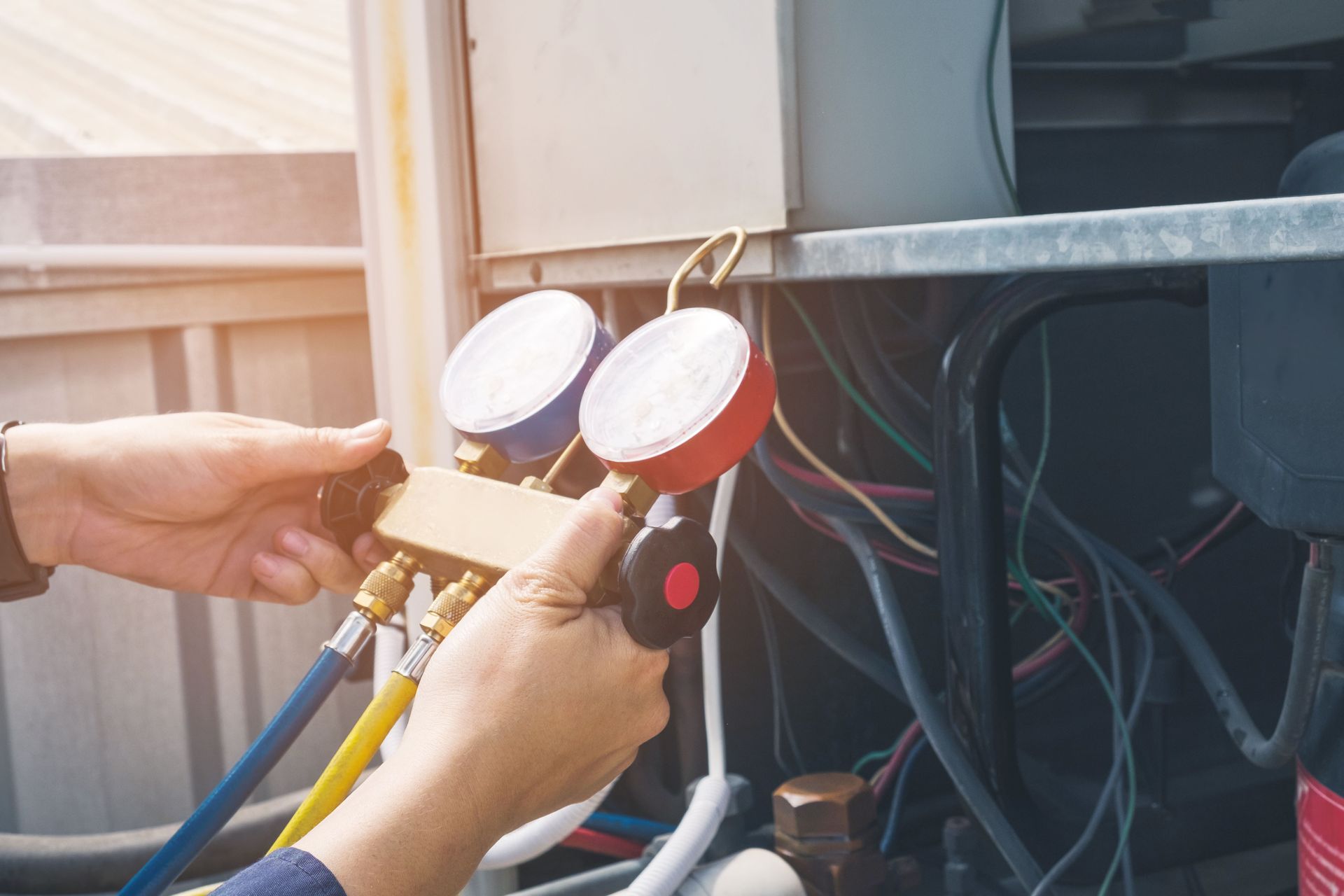
Some homeowners may opt for DIY installation to save costs, though this requires a thorough understanding of the system and applicable regulations. While this route can be tempting, professional expertise often translates into better long-term performance and peace of mind. Additionally, routine maintenance is critical for optimal efficiency, involving regular inspections, timely water heater repair service, and appropriate use of the system as recommended by the manufacturer.
Making the Decision: Is It the Right Time to Upgrade?
Determining the right time to upgrade your water heater involves a combination of financial, technological, and lifestyle considerations. Recognizing signs that your current heater needs replacement, such as inconsistent water temperatures or rising utility bills, is crucial for timely action. Frequent reliance on a water heater repair service can also signal that the system is nearing the end of its useful lifespan.
A cost-benefit analysis, comparing the long-term savings of a newer model against the cost of retaining an outdated one, aids in the decision-making process. Financing and loan options make it easier for homeowners to transition to energy-efficient models without bearing the full upfront costs. These financial solutions help spread the cost over time, allowing for immediate savings on utilities while paying off the upgrade.
Keeping an eye on technology trends is also valuable, as innovations can offer new features or greater efficiency that may be worth waiting for if an upgrade isn't immediately required. Finally, aligning your decision with personal goals for energy efficiency solidifies the rationale behind an upgrade. Whether aiming to lower monthly bills, reduce environmental impact, or enhance property value, understanding your priorities ensures the chosen system aligns with your broader home improvement objectives. By carefully evaluating these factors, the decision to upgrade becomes a strategic endeavor that supports both current lifestyle needs and future aspirations.
Upgrading your water heater is a strategic decision that can result in substantial utility bill savings. By understanding the advancements in technology, carefully weighing the costs and benefits, and considering environmental impacts, you can make an informed decision that aligns with your financial and ecological goals. The right choice not only contributes to lower energy costs but also supports a sustainable living environment. Considering both the immediate and long-term advantages reinforces the value of modern water heaters. Ultimately, the endeavor represents a significant step towards energy efficiency and responsible consumption for homeowners everywhere.